
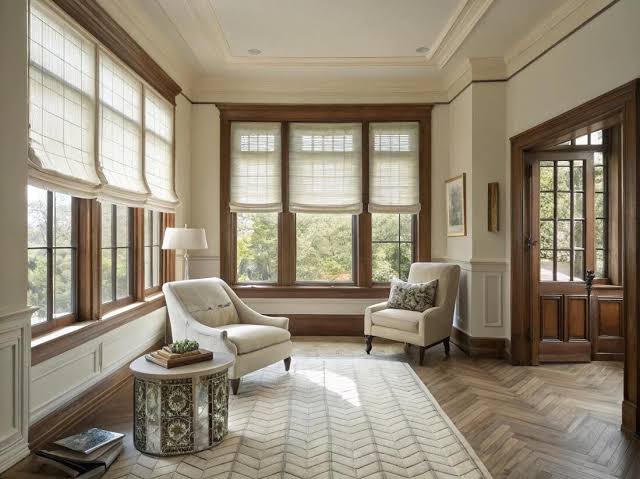
Choosing Window Treatments for Your Rogue Valley Historic Home
If you own a Victorian in Downtown Ashland, a Craftsman bungalow near the Historic Railroad District in Medford, or one of Jacksonville’s 100-plus registered heritage properties, you face a distinctive challenge. Your windows likely feature antique wood frames, single-pane glass, and non-standard sizing that modern off-the-shelf blinds simply cannot accommodate. The right historic home window treatments in the Rogue Valley protect those irreplaceable frames from temperature extremes, improve energy efficiency, and honor the architectural character that makes your home valuable.
Made in the Shade of Rogue Valley specializes in custom solutions for exactly these situations. Whether your priority is preserving original woodwork, reducing Pacific Power bills during freezing January nights and scorching August afternoons, or satisfying local preservation guidelines, the decision starts with understanding your options. This guide walks you through the main choices, their trade-offs, and which approach fits most Rogue Valley historic homes best.
Victorian Window Coverings: Options for Ashland’s Historic Homes
Victorian architecture in Ashland, particularly around the Oregon Shakespeare Festival theaters and the downtown corridor, features tall, narrow windows, arched transoms, and ornate trim. These proportions demand treatments that complement rather than compete with existing detail.
Plantation Shutters
Interior shutters offer a clean, period-appropriate look that echoes the original exterior shutters many Victorian homes once featured. They provide excellent light control and insulation, helping buffer your single-pane glass against both summer heat and winter cold. However, they require precise custom measurement since Victorian window openings are rarely perfectly square after a century of settling.
Cellular Shades
Honeycomb-style cellular shades deliver outstanding insulating performance in a subtle package. Their clean lines recede visually, letting your Victorian trim take center stage. For homeowners focused on reducing drafts near the Craterian Theater district and older Ashland neighborhoods, cellular shades address energy loss without competing with historic woodwork.
Woven Wood Shades
Natural woven materials were common in Victorian-era interiors. Modern woven wood shades reference that heritage while offering privacy and light filtering. They work especially well in informal spaces like sunrooms or breakfast nooks in Ashland’s historic homes.
Craftsman Home Blinds Medford: Trade-Offs to Consider
The Craftsman bungalows concentrated in Medford’s Historic Railroad District and surrounding neighborhoods present different considerations. These homes emphasize horizontal lines, wide overhangs, and built-in cabinetry. Window treatments should reinforce that honest, handcrafted aesthetic.
Wood Blinds
Real wood blinds align perfectly with Craftsman philosophy. You can match stain colors to your existing oak or fir trim, creating visual continuity. The trade-off is maintenance: wood requires more care than composite alternatives, and Medford’s summer heat combined with winter moisture can stress natural materials over time.
Faux Wood Blinds
Composite blinds replicate the warmth of wood while resisting warping and cracking through the Rogue Valley’s temperature swings. They cost less and require minimal upkeep. For Craftsman homes where you want the look without the maintenance commitment, faux wood represents a practical compromise.
Roman Shades
Fabric Roman shades in earth tones or subtle patterns complement the Arts and Crafts color palette. They soften the lines of a room while providing privacy. In bedrooms and living areas throughout Medford’s historic neighborhoods, Roman shades offer warmth that hard treatments cannot match.
Comparison: Which Treatment Fits Your Historic Property?
Your decision depends on several factors specific to your home’s age, condition, and your own priorities. The table below summarizes key trade-offs for the most common options homeowners in Jacksonville Historic District, Talent Historic Core, and throughout the Rogue Valley consider.
| Treatment Type | Best For | Energy Performance | Maintenance Level | Period Authenticity |
|---|---|---|---|---|
| Plantation Shutters | Victorian, formal rooms | Excellent | Low | High |
| Cellular Shades | Any style, energy focus | Excellent | Low | Moderate |
| Wood Blinds | Craftsman, natural trim | Good | Higher | High |
| Faux Wood Blinds | Craftsman, low maintenance | Good | Very Low | Moderate |
| Roman Shades | Any style, soft look | Good | Moderate | High |
| Woven Wood Shades | Victorian, informal spaces | Moderate | Moderate | High |
“The goal with any historic home is balancing what the house needs structurally with what it deserves aesthetically. Custom measurement ensures your treatments fit openings that were never built to modern standards.”
Energy Efficiency in Older Rogue Valley Homes
Single-pane windows in historic properties lose heat rapidly during cold snaps and admit significant solar gain during summer. Pacific Power customers in older Ashland and Medford homes often see noticeable spikes in heating and cooling costs compared to newer construction.
Window treatments cannot replace proper weatherization, but they do add a meaningful buffer layer. Cellular shades trap air in their honeycomb pockets, creating insulation where your original windows provide little. Shutters create an air gap between the glass and your living space. Even fabric shades reduce direct heat transfer compared to bare windows.
When you combine effective window treatments with caulking around those antique wood frames, you protect both your comfort and those irreplaceable historic details from moisture damage and temperature stress.
Seasonal Considerations
- Winter: Close cellular shades or shutters at night to retain heat, especially in rooms with north-facing windows near Jacksonville Cemetery District or similar exposed locations
- Summer: Use reflective linings or light-colored treatments to deflect afternoon sun, particularly on west-facing windows throughout the Rogue Valley
- Shoulder seasons: Adjust your treatments daily to take advantage of passive solar heating in spring and fall
Historic Preservation Shutters and Compliance
If your property falls within a designated historic district, you may face guidelines about exterior appearance. Interior window treatments typically do not require approval, but some districts have recommendations about maintaining consistent street-facing aesthetics.
Before installing anything visible from outside, check with your local historic review board. In Jacksonville, with its high concentration of registered properties, this step prevents complications. Interior shutters, shades, and blinds generally pose no issues since they sit behind the glass.
Working with Non-Standard Window Sizes
Historic homes rarely feature standard window dimensions. A window that measures 29-3/4 inches wide cannot accept a 30-inch stock blind without binding or gapping. Custom fabrication solves this problem. Made in the Shade of Rogue Valley provides professional in-home measurement to capture the exact dimensions of every opening, including those that have shifted out of square over decades.
The Best Choice for Most Rogue Valley Historic Homes
After weighing aesthetics, energy performance, maintenance, and cost, most historic homeowners in the Rogue Valley find that cellular shades or plantation shutters deliver the best overall value.
- Cellular shades excel when energy efficiency is your priority and you want treatments that complement rather than dominate your original trim
- Plantation shutters work best when you seek a bold, period-appropriate statement and maximum light control in Victorian properties around Downtown Ashland and similar areas
- Wood or faux wood blinds remain ideal for Craftsman bungalows in Medford’s Historic Railroad District and Talent Historic Core where matching existing woodwork matters most
Your specific situation may point toward a different solution. The only way to know for certain is a professional consultation where someone examines your actual windows, frames, and trim.
Schedule Your Free Historic Home Window Consultation Today
Made in the Shade of Rogue Valley brings experience with the unique requirements of Victorian, Craftsman, and heritage properties throughout the region. From Jacksonville’s historic buildings to Ashland’s theater district neighborhoods, we understand that your home deserves treatments tailored to its character and your climate challenges.
Call (541) 692-8742 to schedule your free consultation. We will measure your windows precisely, discuss your preservation priorities, and recommend solutions that protect your antique wood frames while improving comfort and reducing your Pacific Power bills. Your historic home has stood for generations. The right window treatments help ensure it stands beautifully for generations more.
Frequently Asked Questions
Do I need historic district approval for interior window treatments in Jacksonville or Ashland?
Interior window treatments, including shutters, blinds, and shades, typically do not require historic district approval since they sit behind the glass and do not alter the exterior appearance. However, if your property has specific deed restrictions or falls under particularly strict local guidelines, checking with your local historic review board before installation ensures you avoid any complications.
How much can window treatments reduce energy costs in homes with single-pane windows?
The improvement varies based on your specific windows, treatment choice, and how consistently you use them. Cellular shades and well-fitted shutters create an insulating air pocket that noticeably reduces heat transfer compared to bare glass. When combined with weatherstripping and caulking around original wood frames, homeowners often notice meaningful reductions in heating and cooling demands, though exact savings depend on many factors including your home’s overall insulation and HVAC efficiency.
Can standard blinds fit the non-standard window sizes in older Rogue Valley homes?
Rarely. Historic windows frequently measure odd dimensions like 29-3/4 inches rather than standard 30-inch increments, and frames often shift out of square over decades of settling. Stock blinds either will not fit or will leave gaps and binding issues. Custom fabrication based on professional measurement of each individual opening ensures treatments that fit precisely and operate smoothly in your specific windows.

